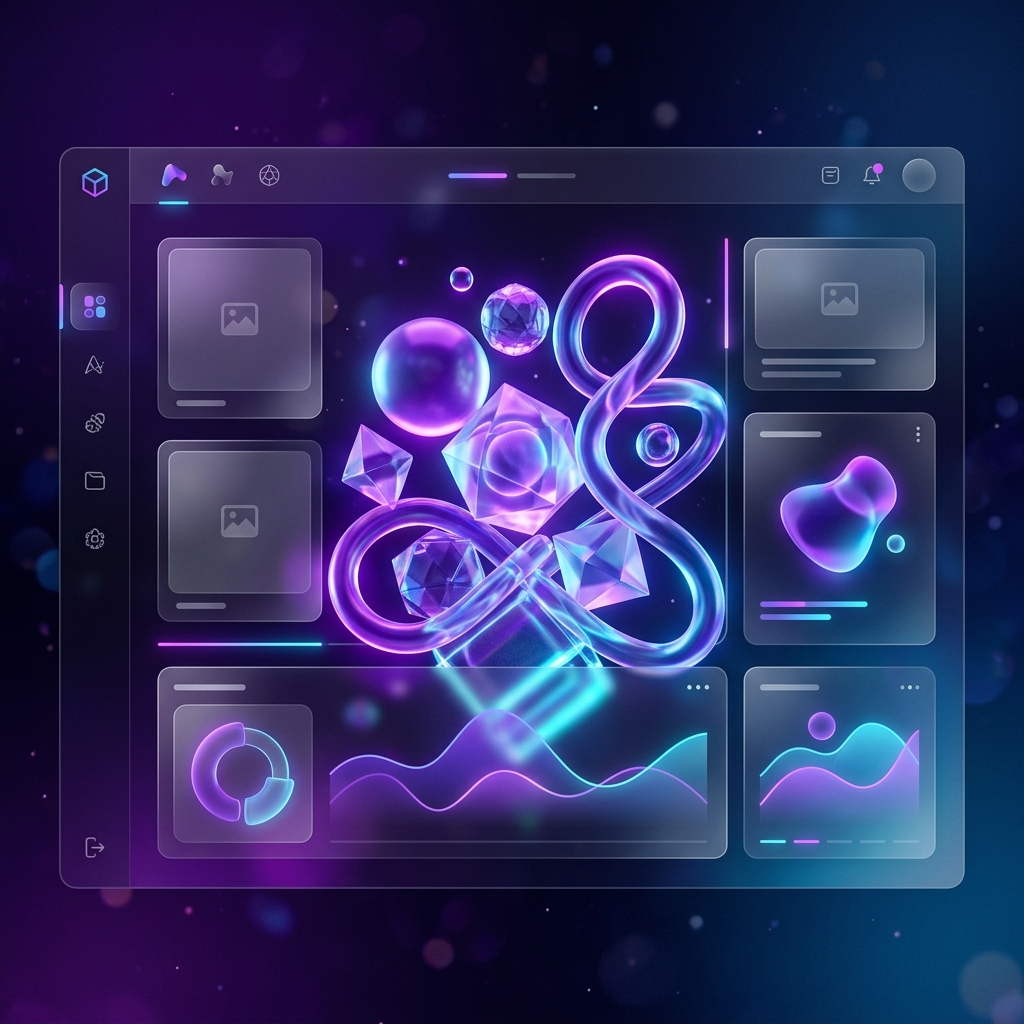
Web design is no longer just about aesthetics; it's about creating immersive digital experiences that feel alive. As we move into 2026, several key trends are emerging that will define the next generation of the web. In this deep dive, we explore how the intersection of artificial intelligence, high-performance WebGL, and user-centric design is creating a new paradigm for digital interactions.
1. Generative UI: The Adaptive Landscape
Artificial intelligence is now capable of generating user interfaces on the fly. Instead of static layouts that look the same for every visitor, we are seeing interfaces that adapt to user behavior, preferences, and even emotional states in real-time. Imagine a website that reformulates its navigation and content hierarchy based on whether a user is in a "discovery" mode or a "transactional" mode. These approaches are experimental options. Consider whether they solve a customer problem and what data, consent and maintenance they require.
2. Glassmorphism 2.0 & Neo-Depth
The use of translucency and depth is reaching new heights. Using advanced CSS backdrop filters and subtle, multi-layered gradients, designers are creating "glassy" interfaces that feel premium and modern. This isn't just about a blur effect; it's about simulating real material properties like refraction, thickness, and light diffusion. This "Neo-Depth" approach helps users understand information hierarchy through visual layers, making complex interfaces feel intuitive.
3. Immersive 3D Experiences with Three.js
With the advancement of WebGL and frameworks like Three.js and React Three Fiber, 3D elements are no longer just "nice to have." They can suit brands with a clear reason to present products or stories in three dimensions. These aren't just static 3D models; they are interactive environments that respond to scroll, mouse movement, and touch. By integrating 3D storytelling, brands can create an interactive presentation; measure its usefulness instead of assuming an engagement benefit.
4. Emotional Design & Micro-Interactions
In 2026, the focus has shifted from "usability" to "delight." Emotional design involves creating micro-interactions that respond to user actions in a way that feels human. Whether it's a subtle haptic feedback simulation or a fluid transition that follows the laws of physics, these small details build a powerful connection between the brand and the user.
5. Minimalism with a Punch
While we are seeing more complexity in animation and 3D, the underlying structure remains minimalist. High-contrast typography, generous white space, and a curated color palette ensure that the "modern" feel isn't lost in the technical flourishes. The goal is to be bold but readable, exciting but functional.
Conclusion
Staying ahead of the curve means embracing these technologies not just as gimmicks, but as tools to solve business problems. At Rostra, we combine these artistic trends with technical excellence to ensure your brand doesn't just exist online—it leads.